

Remote UX Designer: A Career Transition Guide
Remote UX Designer: A Career Transition Guide
UX designers help to create user friendly experiences (easy navigation, accessibility, etc.) on websites, apps, and other digital products. UX stands for User Experience. If you enjoy solving problems, working with technology, and creating better digital experiences, a career as a UX Designer may be worth exploring. (There are also UI designer which you may see roles that
What Does a Remote UX Designer Do?
A remote UX designer does the same work as an office-based UX designer but works and communicates with the team online.
Daily responsibilities may include:
- Researching users and their needs
- Interviewing users and collecting feedback
- Creating user personas
- Mapping user journeys
- Organizing information and content
- Creating wireframes
- Building interactive prototypes
- Testing designs with users
- Identifying problems with websites or apps
- Improving designs based on user feedback
- Working with developers, product managers, researchers, and other designers
- Participating in virtual meetings and design reviews
These are some of examples of what your day to day may look like as a UX designer.
Education Requirements for UX Designers
UX designers come from many educational backgrounds. Education requirements for related digital design careers can vary from a bachelor’s degree, graduate degree or a certificate. Some companies may only require a certificate as a minimum requirement. Many major companies offer UX design certs such as Google and Microsoft via Coursera.
UX Speciality Roles
There are other specialist UX/UI roles. UI
Potential UX Designer Salary
UX designer salaries vary based on experience, location, industry, employer, and responsibilities. According to the UX Design Institute, based on a "junior" UX designer role in a major city, the salary range is approximately $77,000–$121,000 per year.
There are other careers in UX including...
Start Your Remote UX Design Career
A career as a remote UX designer allows you to use creativity, technology, research, and problem-solving while working from home or another location.
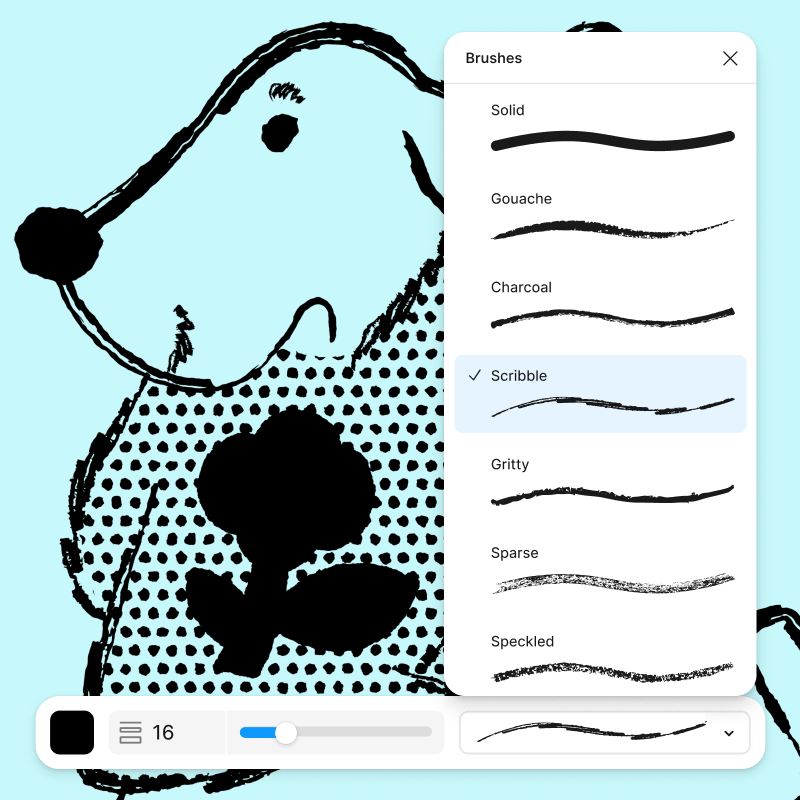
You may not need a specific UX degree, which is convenient especially for teachers looking to transition out of the classroom and other career changers. Taking a certification course can help jumpstart your career. Additionally, having the right skills and a strong portfolio can help you find job opportunities. Figma can help you with creating your portfolio. Figma is a collaborative design tool and platform used to create website and app layouts, interactive prototypes, and UI/UX designs systems.
With the right skills and experience, UX design can offer career opportunities in many different industries including in the education industry.